
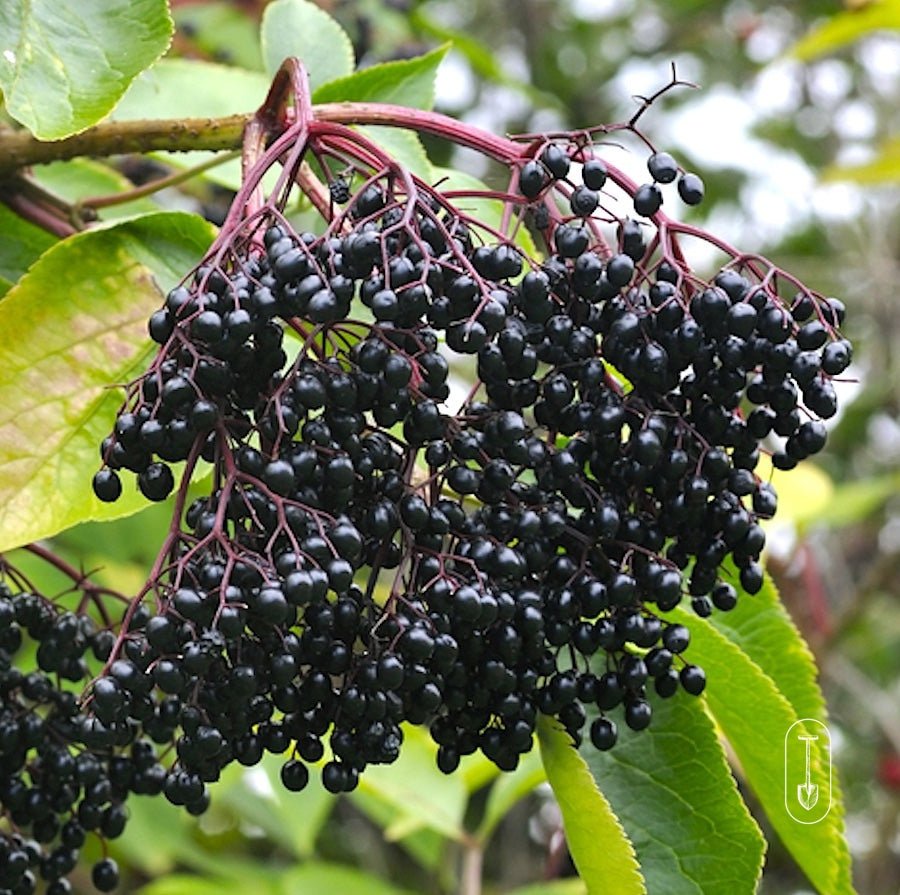
Plant Once. Harvest for Years.
Elderberries are a Northern native shrub built for cold winters and short seasons. Hardy in Zones 3–7, they establish reliably and return each year with increasing yield.
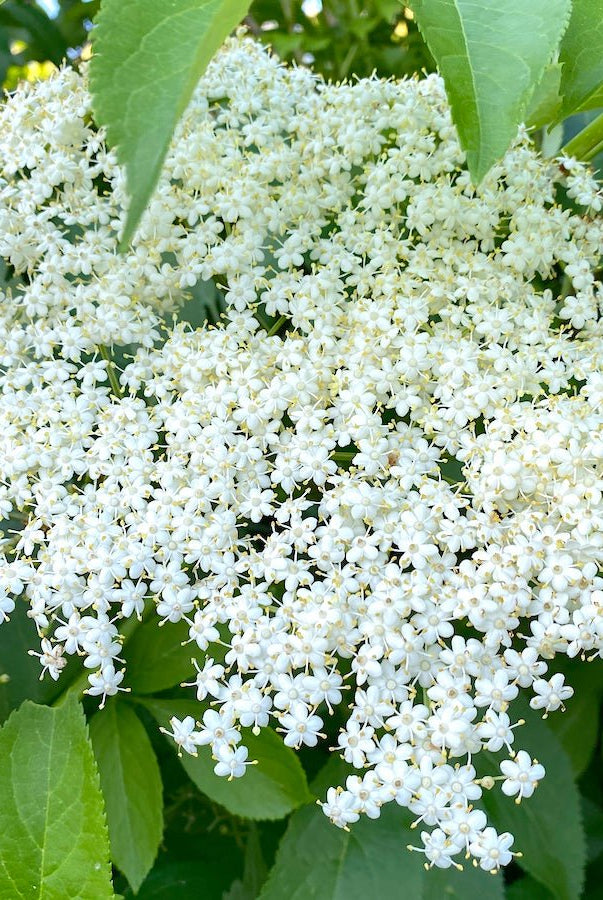
Unlike many fruit crops that risk losing blossoms to late spring frost, elderberries flower later, naturally avoiding one of the North’s most common setbacks. Their berries ripen in late summer, extending the harvest window and adding resilience to your growing season.
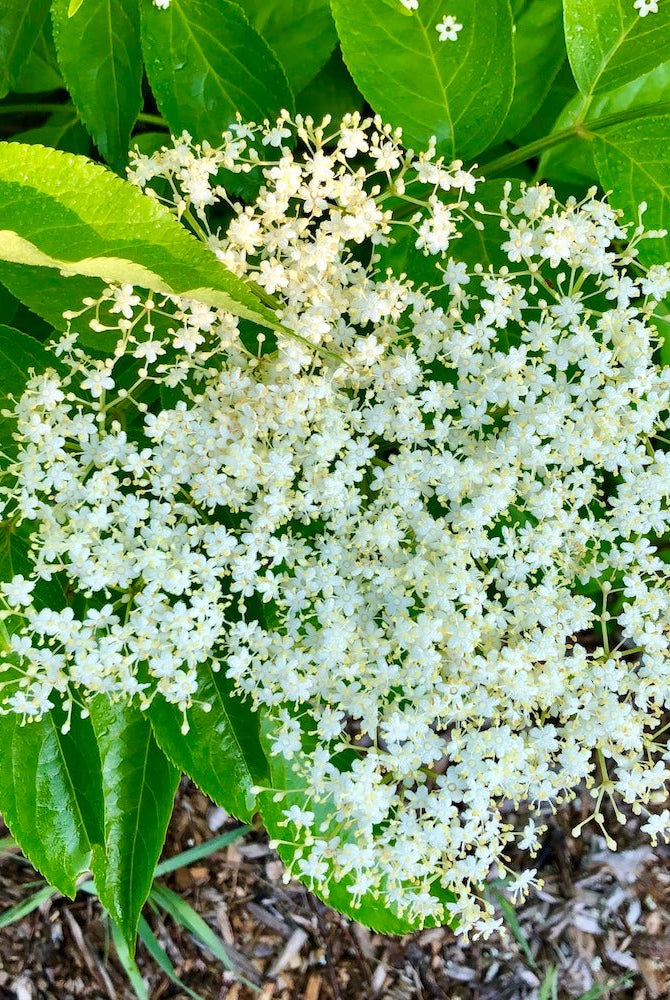
Beyond the fruit, elderberries strengthen your landscape. They support pollinators during bloom, provide habitat for songbirds and small wildlife, and function beautifully as hedges or living boundaries.
Plant once. Harvest for years.

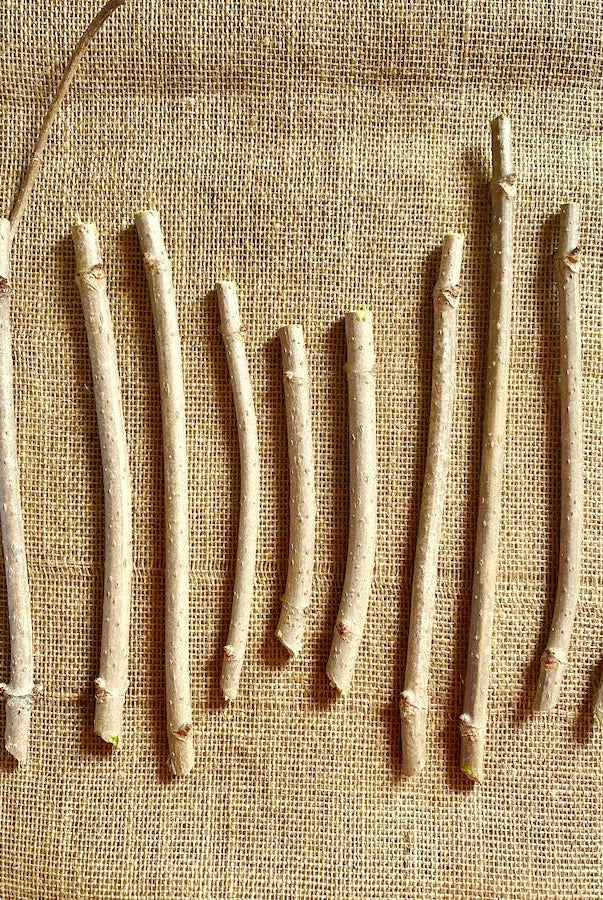
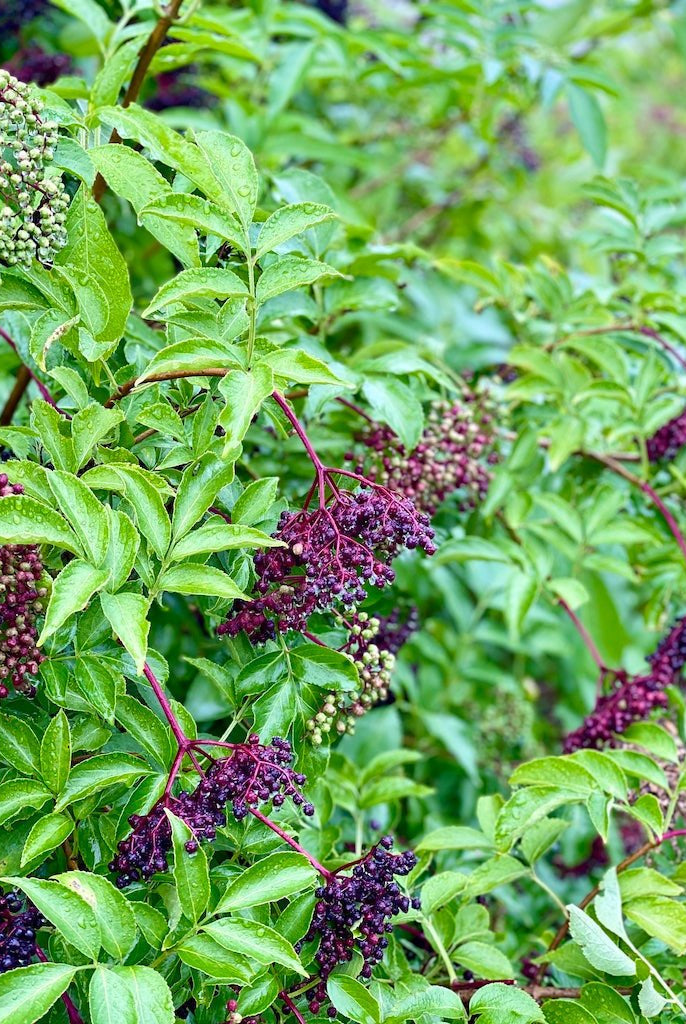
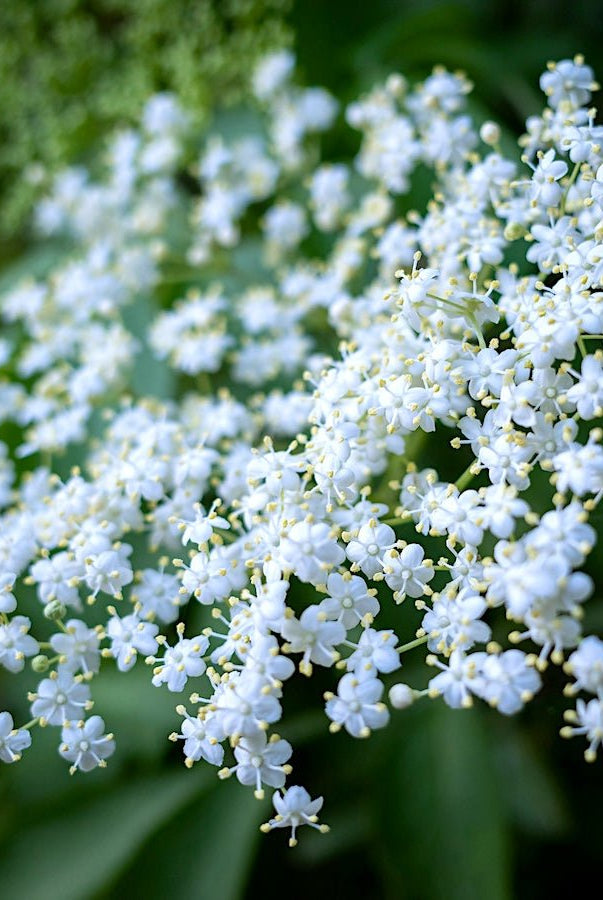
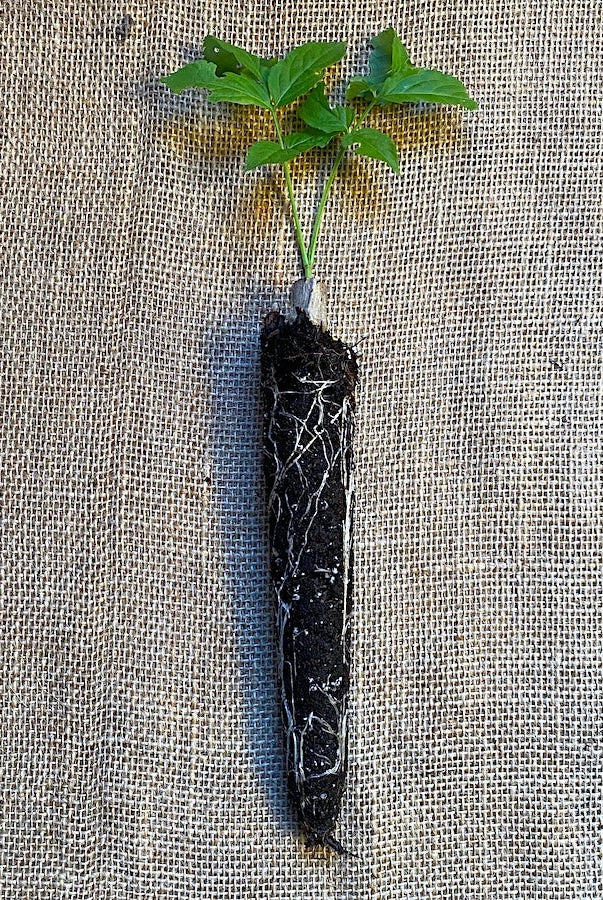
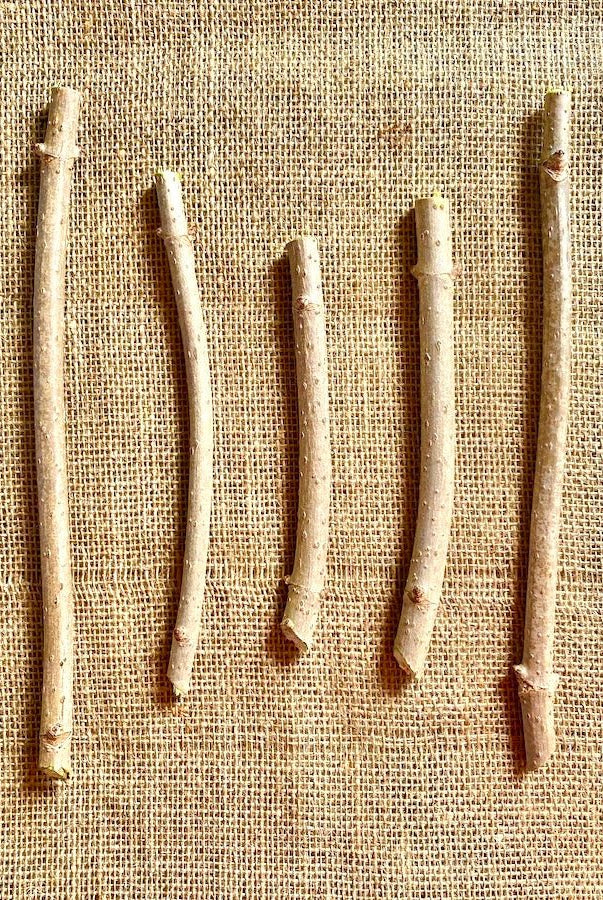
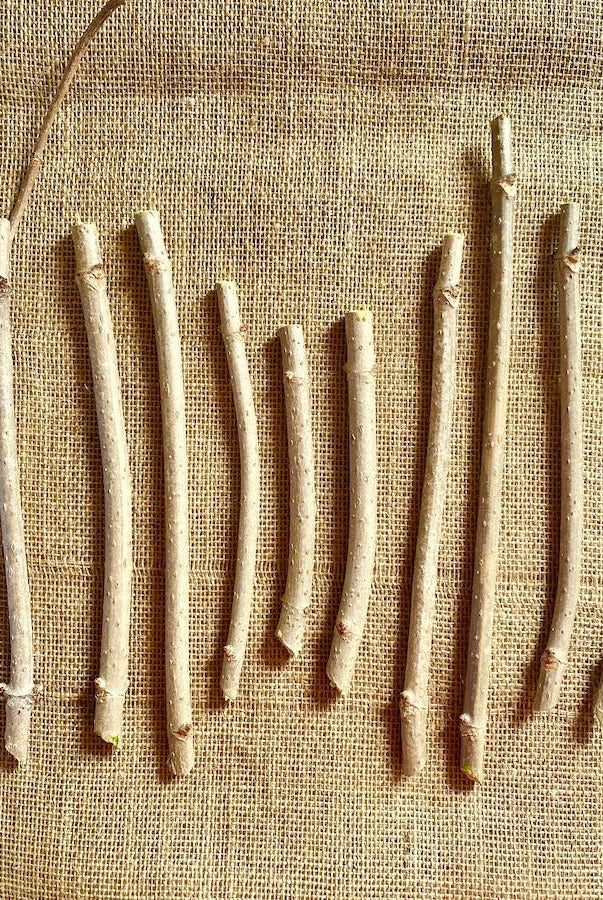
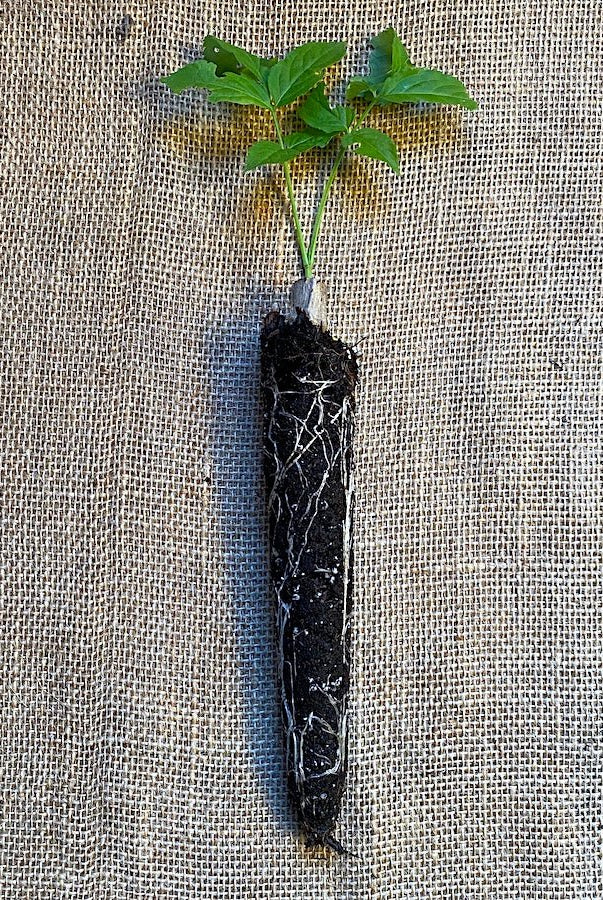
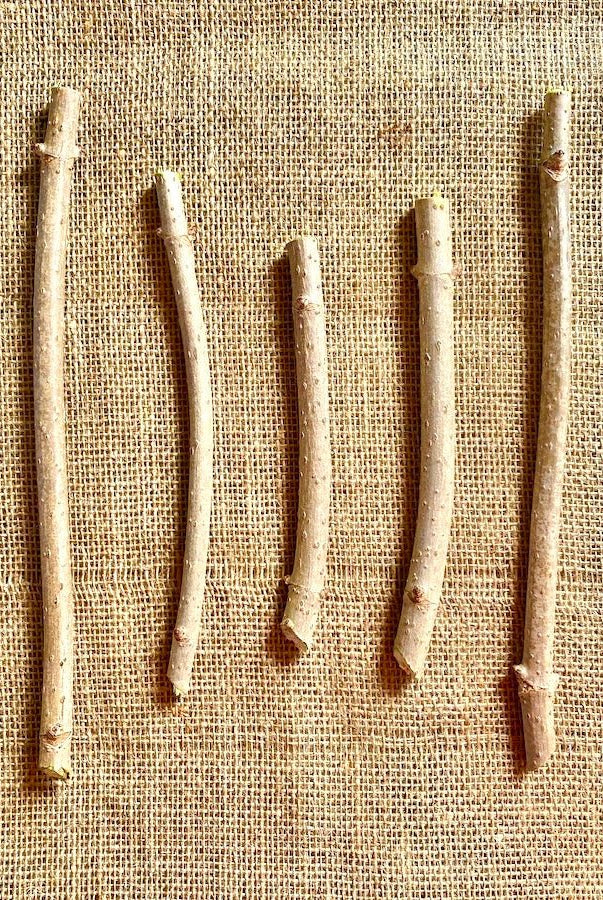
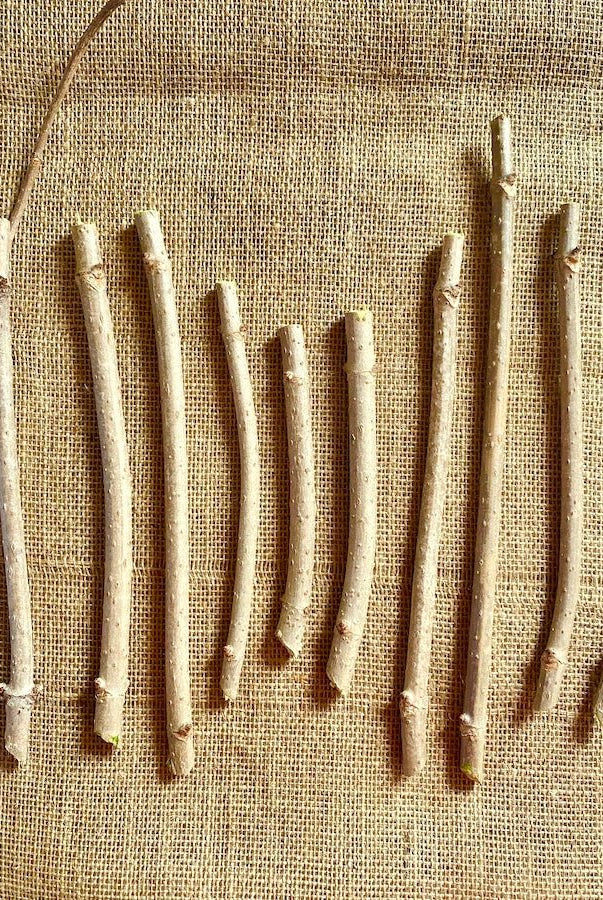
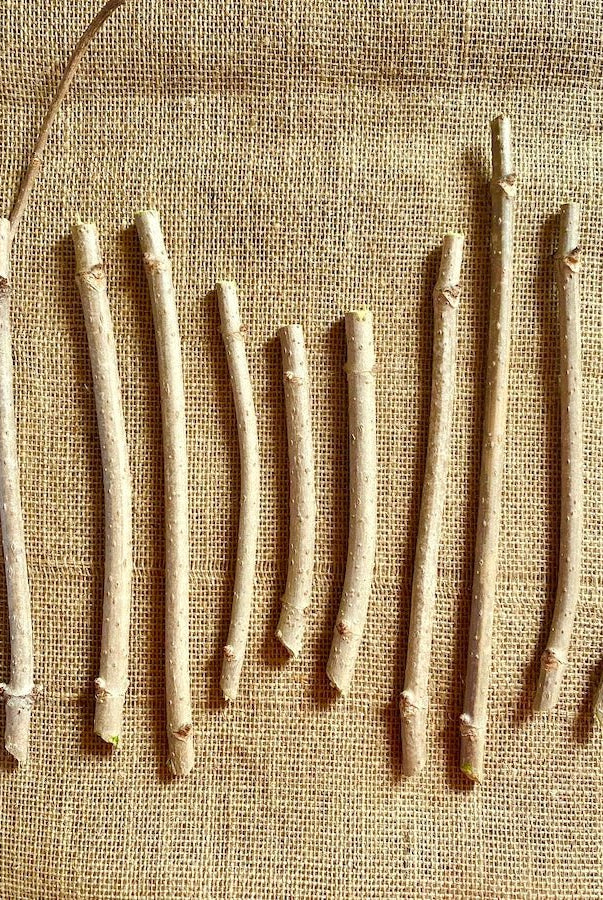
Built for Resilience & Beauty
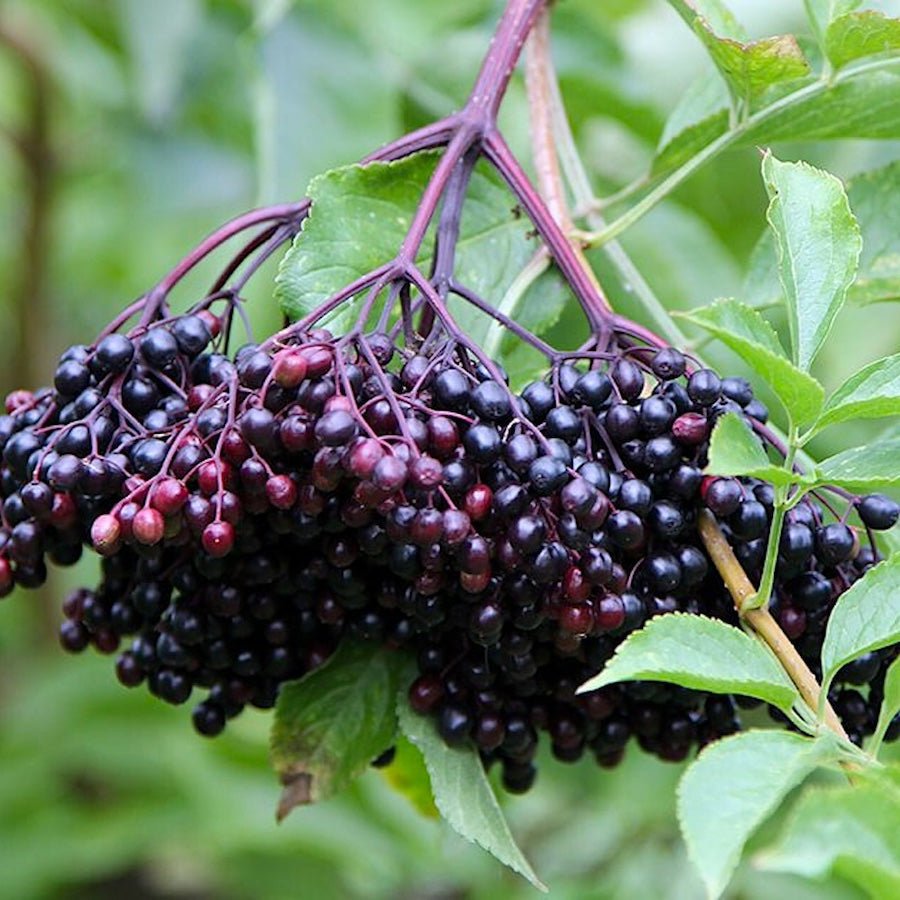
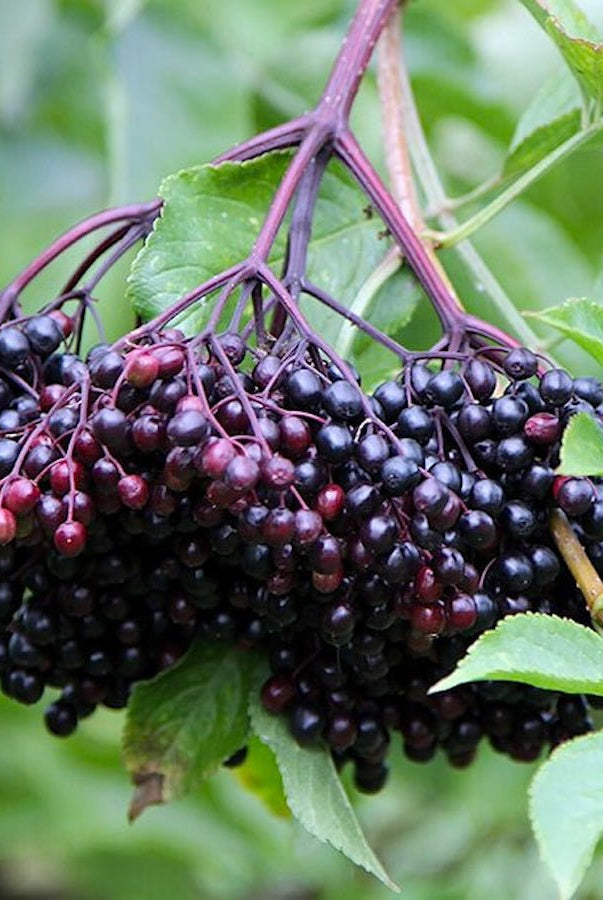
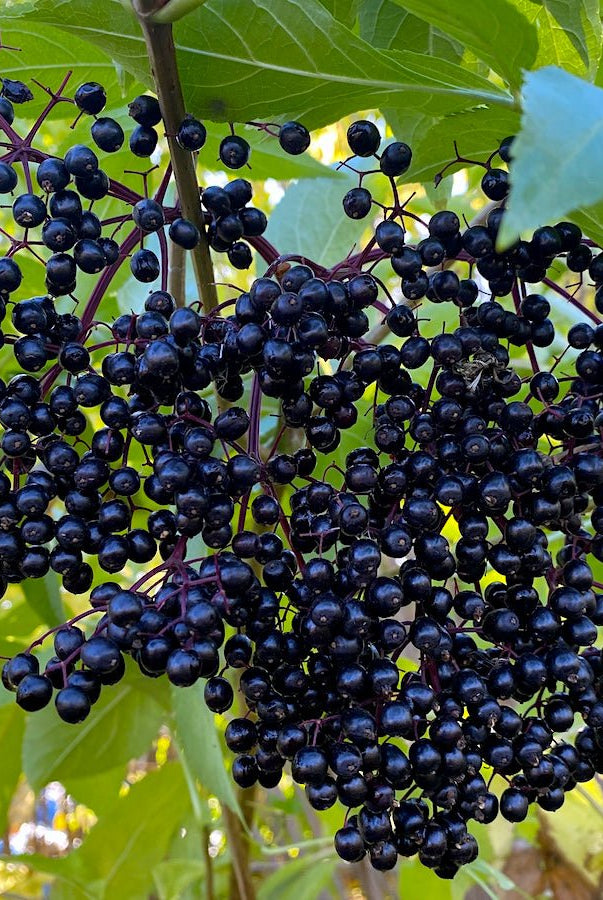
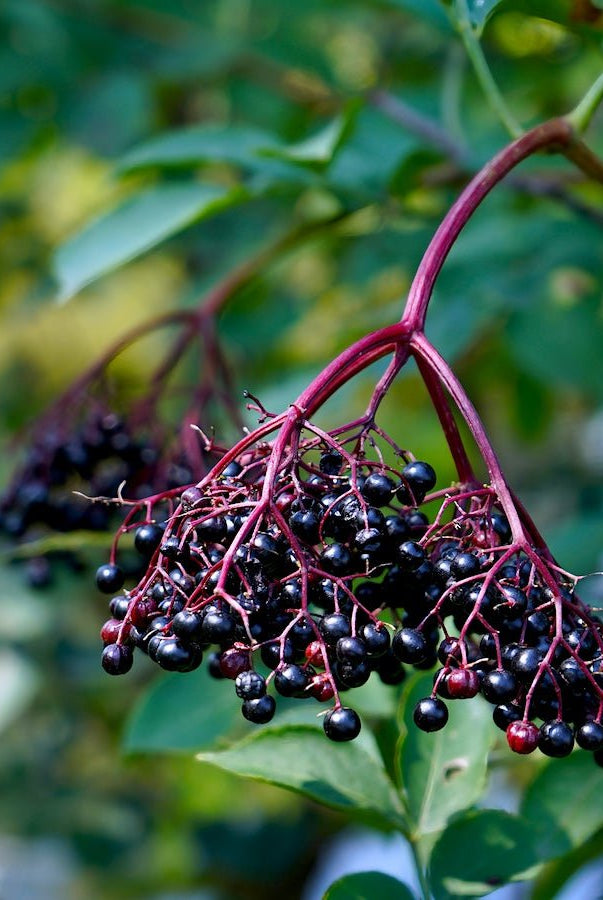
Nutrient-Dense Fruit
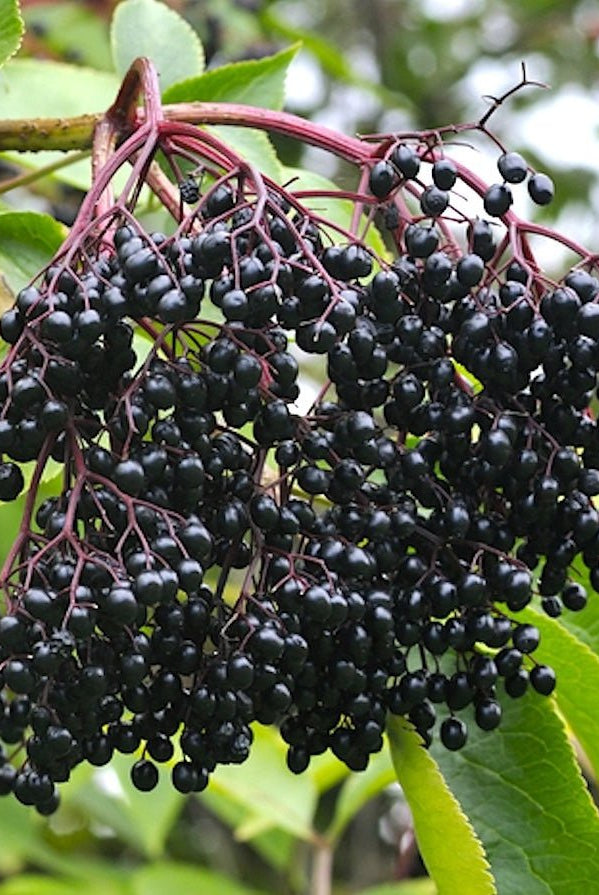
Traditionally used for syrups, teas, and preserves. Rich, dark berries harvested at peak season.
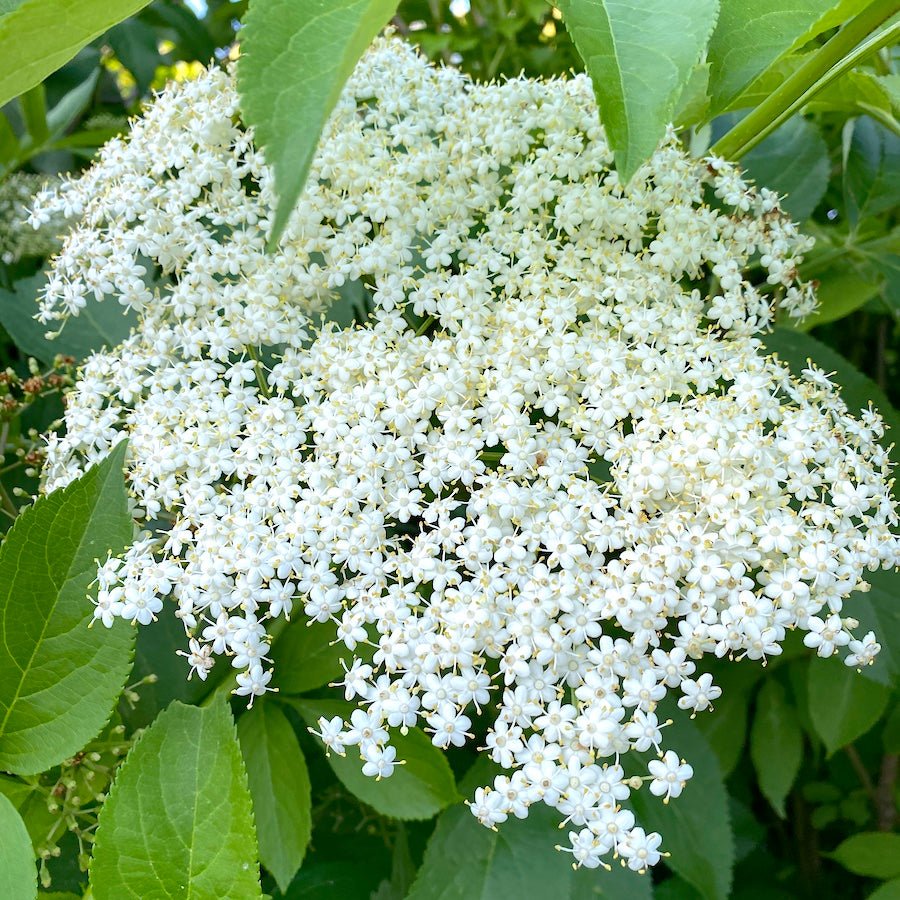
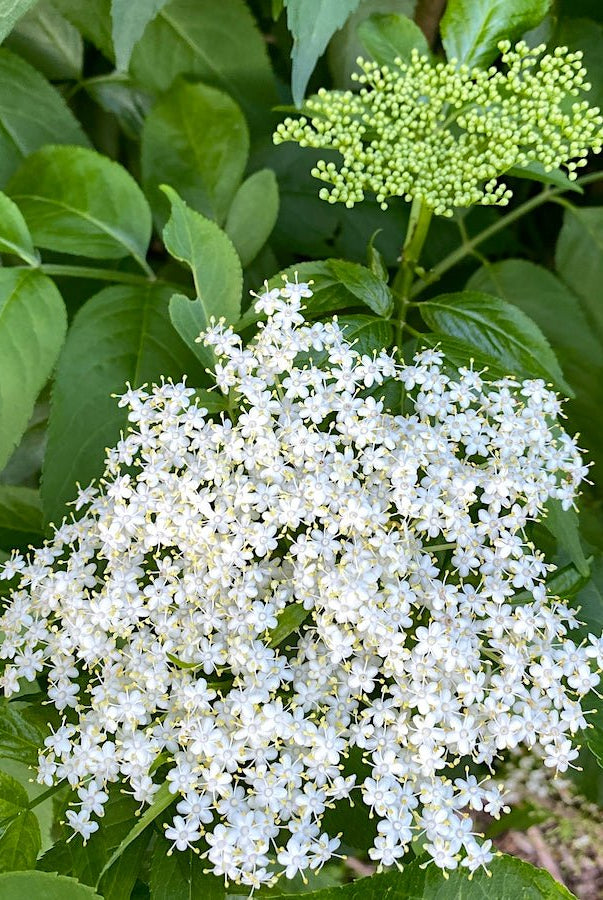
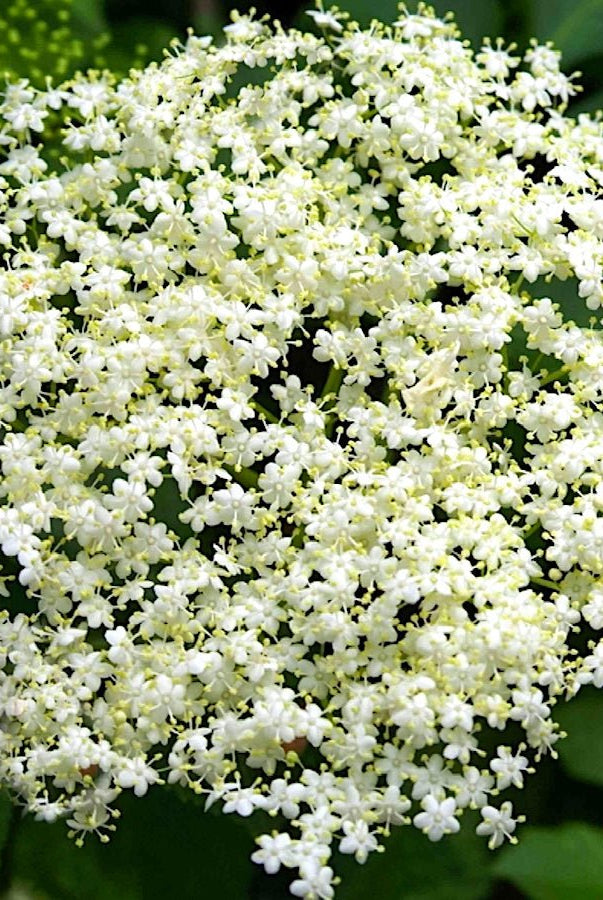
Late Bloom, Frost Smart
Flowers later in spring, naturally avoiding the late frost common in Northern climates.
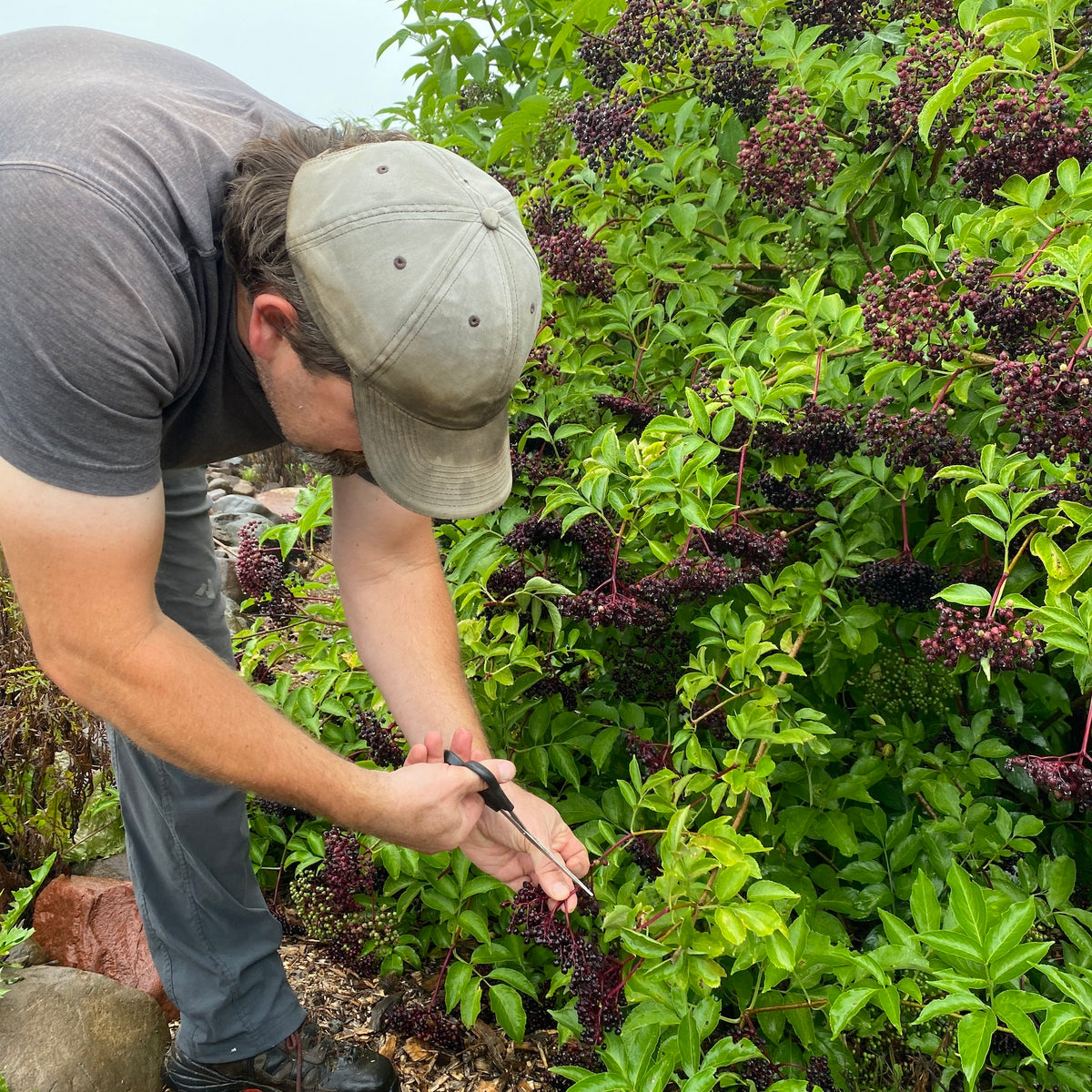
Late-Summer Harvest
Berries ripen as other crops taper, extending your seasonal harvest window.
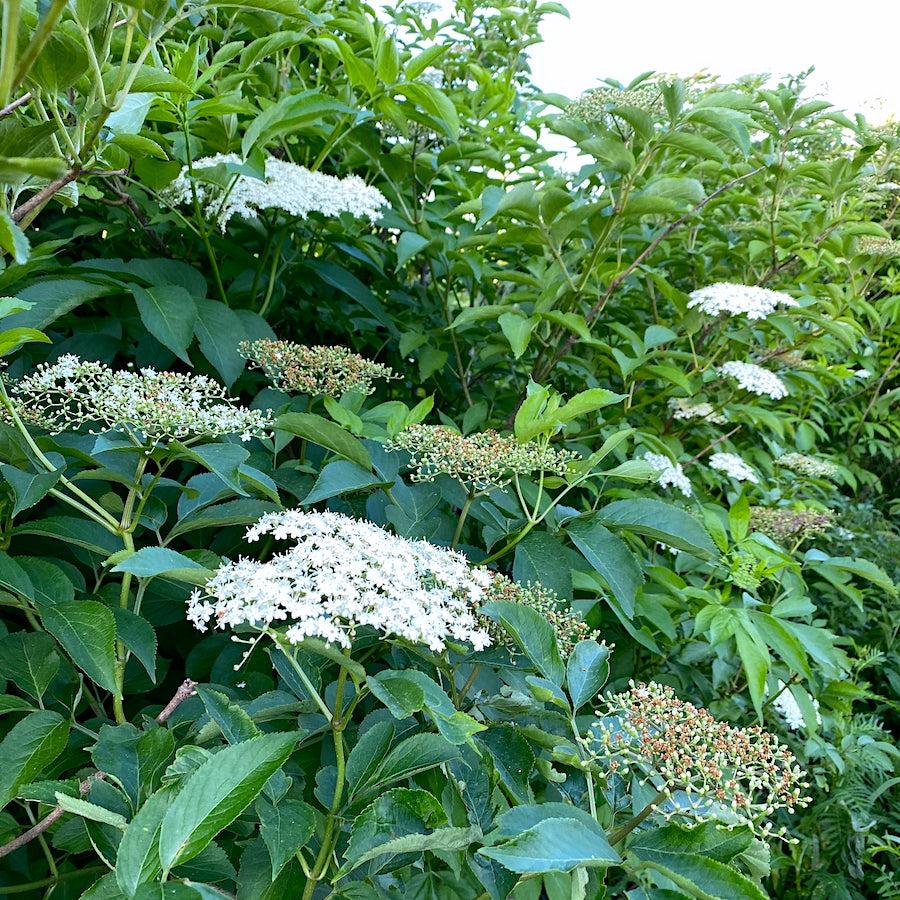
Habitat & Hedge
Supports pollinators, songbirds, and migrating wildlife while functioning as a living boundary or privacy hedge.
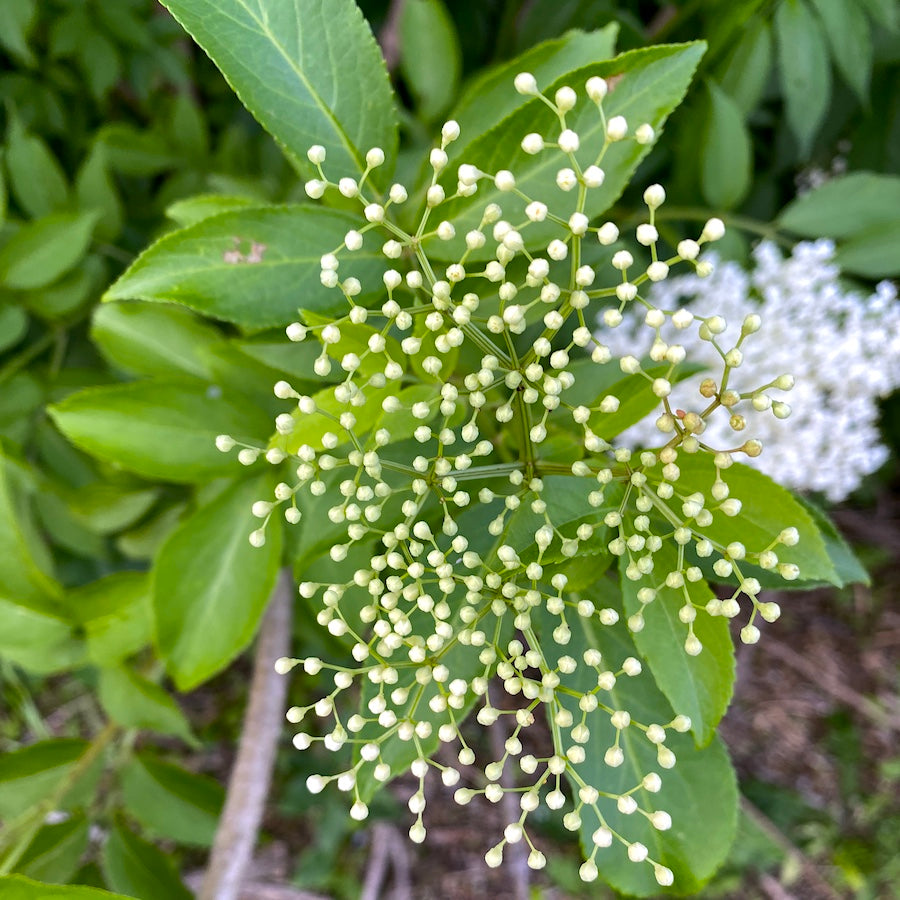
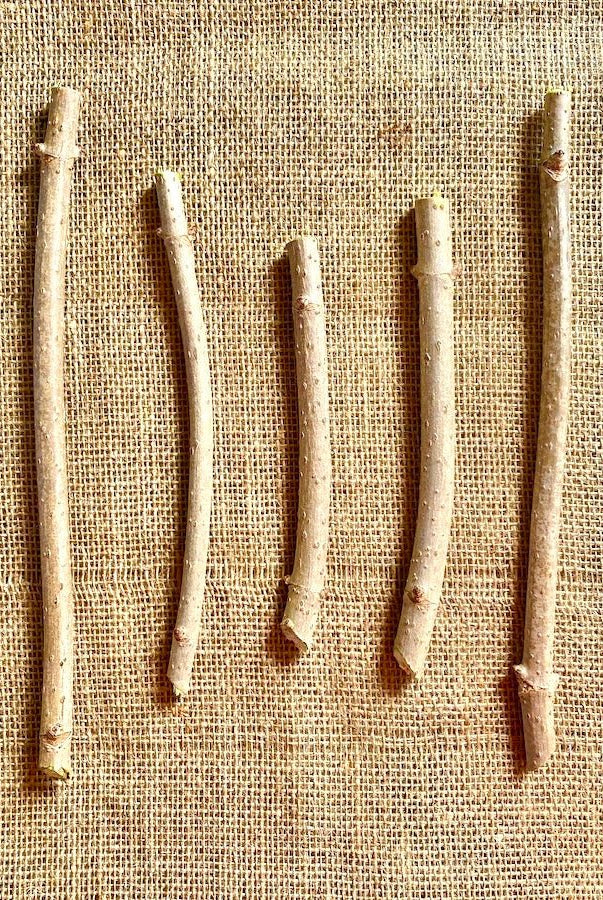
Perennial Return
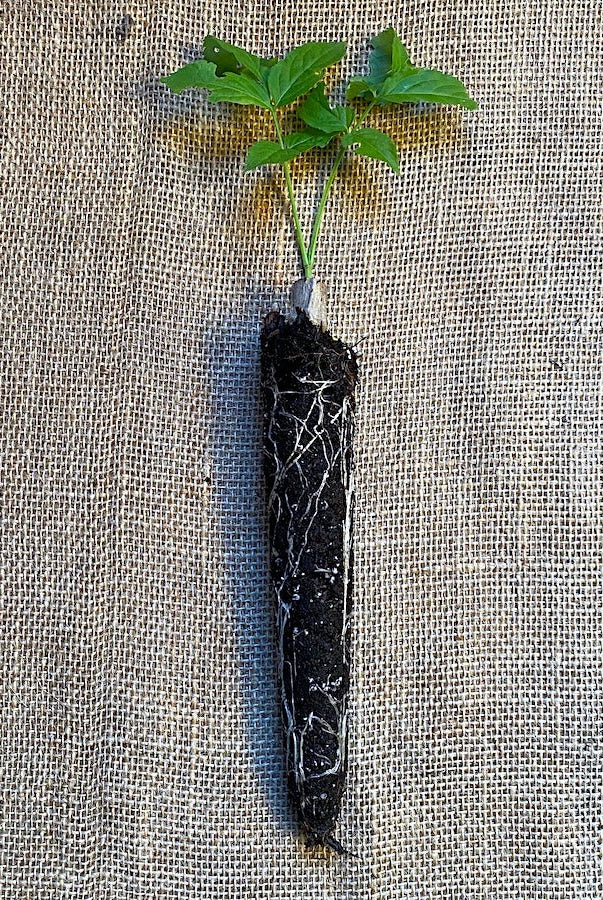
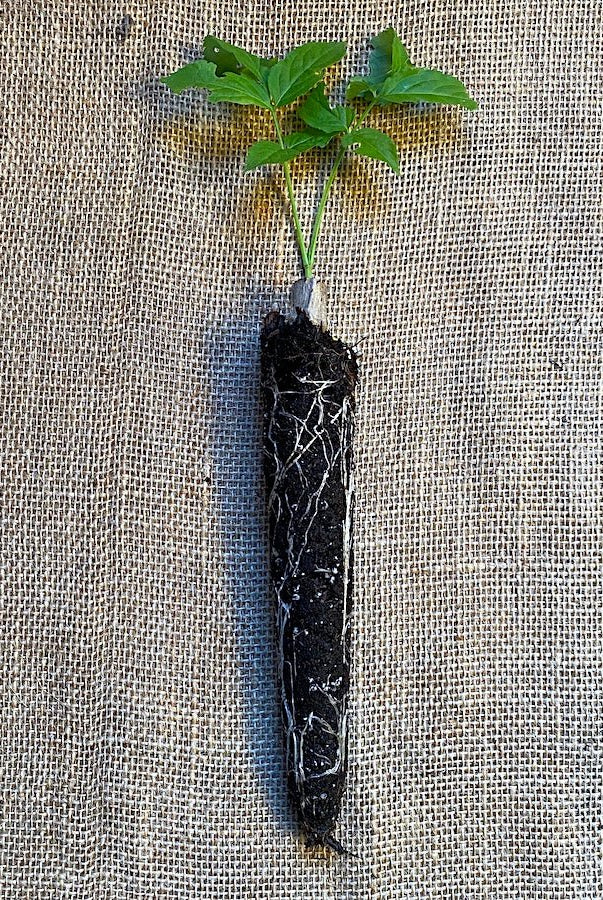
Fast-growing shrubs that begin producing in just a few years. Plant once. Harvest for seasons to come.

Growing Beyond The North?
Yes. Elderberries adapt well across Zones 3–7.
In warmer regions, bloom and harvest timing may shift earlier. Proper pruning, spacing, and airflow become increasingly important in higher heat and humidity.
The structure remains. Your timing adjusts.
For planting guidance and variety-specific care, visit our Elderberry Learn page.