Understanding The HEAT Compass™
Most gardening advice assumes a longer season.
More heat. Later frost. Earlier spring.
If you garden in USDA Zones 3–4, you already know.
The advice wasn’t written for here.
It isn’t from lived experience.
This page is.
The HEAT Compass™
The HEAT Compass is how Northern gardeners make decisions.
It maps the four forces that shape a growing season.
These forces are always present.
They are not rules.
They are the reality your season is already following.
Understand them, and your decisions get sharper.
H — Heat Accumulation
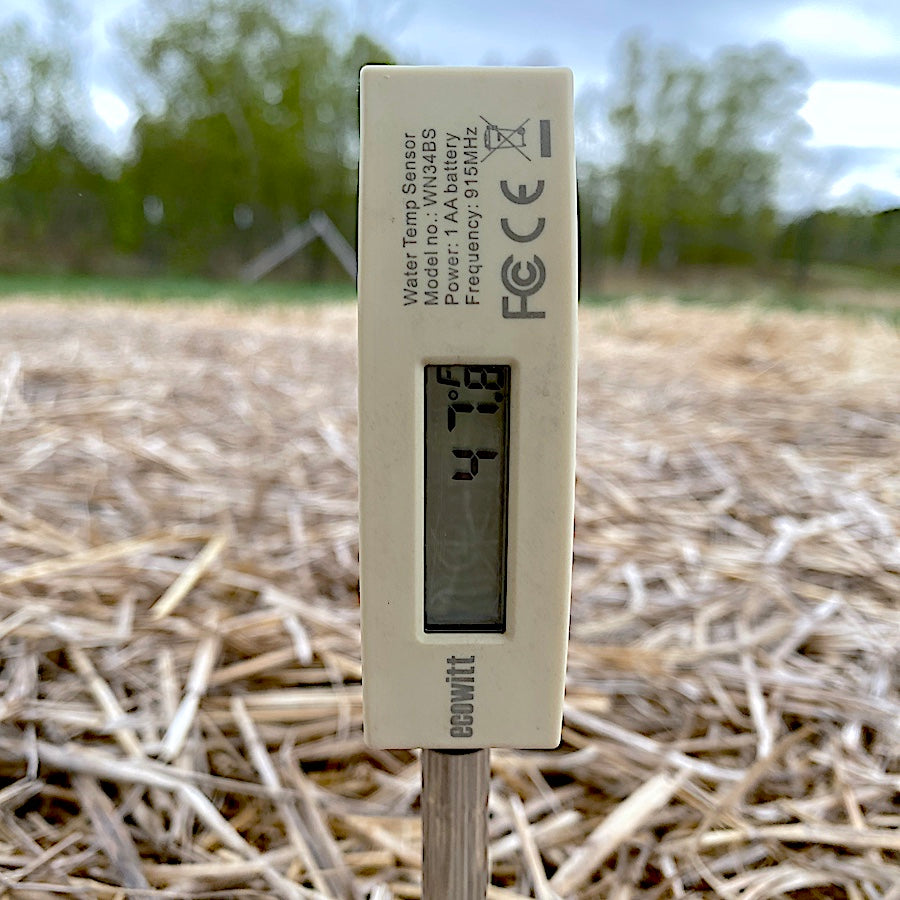
E — Earth Temperature
A — Available Frost-Free Days
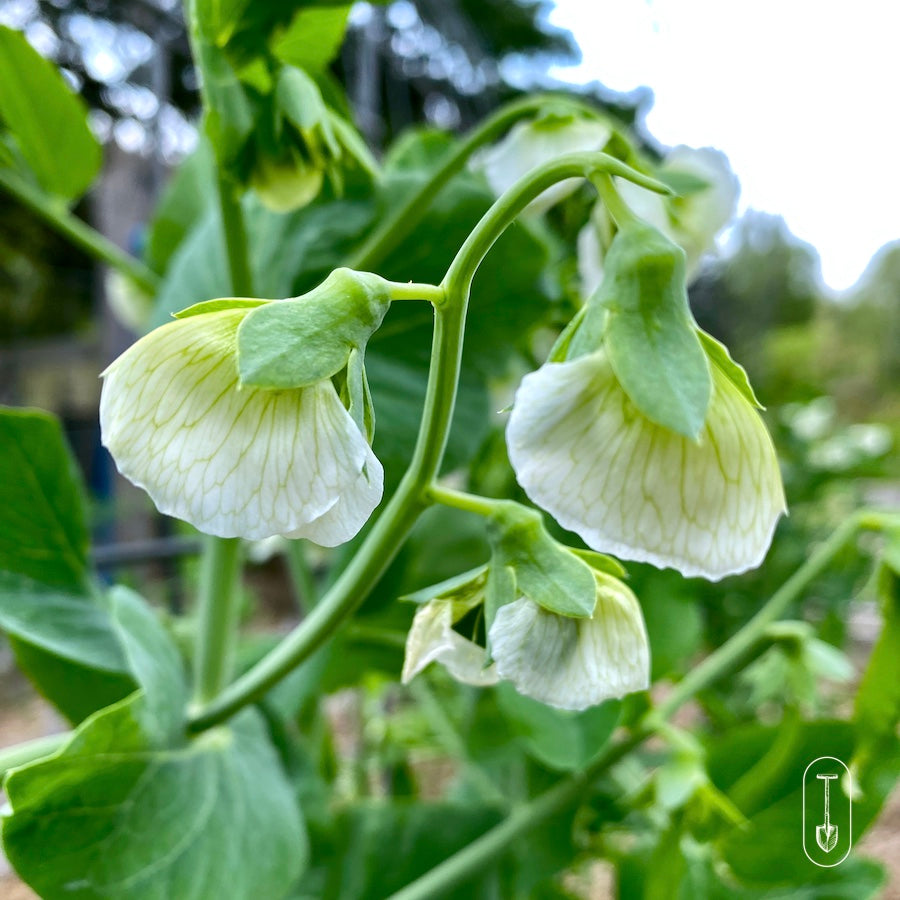
T — Twilight Hours
Every planting decision runs through the HEAT Compass: what will mature, when to plant, and whether it’s worth the risk.
H — Heat Accumulation
A seed doesn’t count calendar days. It counts heat.
Growing Degree Days (GDD) measure the total accumulated warmth a plant receives across the season; the sum of daily temperatures above a base growth threshold. When a seed packet says “75 days to maturity,” it is assuming a certain amount of heat per day. In Zones 3–4, that assumption often doesn’t hold.
A tomato that matures in 75 days in Zone 6 may need 90 or 100 calendar days in The North, because the daily heat units are lower. Cooler nights. Cooler mornings. The same variety, the same soil, the same care. But fewer degrees adding up each day.
This is why a crop can look healthy all summer and never reach harvest. The plant was growing. It just wasn’t accumulating enough heat to finish.
In The North, heat matters more than hope. Knowing your GDD range, and choosing varieties matched to it, is the difference between a harvest and a hard lesson.
E — EARTH TEMPERATURE
Seeds respond to soil, not air.
A warm afternoon in May can convince a gardener the season has arrived. But six inches below the surface, the soil may still be in the low 40s. Cold soil delays germination. It slows root development. It stresses young transplants that were started indoors under ideal conditions and are suddenly in ground that is not ready for them.
Northern soils warm slowly. Snow cover, cloud cover, and latitude all play a role. And the temperature doesn’t climb in a straight line. It swings. Soil that reaches the mid-50s on Tuesday may drop back into the low 40s by Friday. These swings disrupt early growth and can trigger bolting in crops like spinach, lettuce, and cilantro; plants that read the temperature fluctuation as a signal to flower and set seed, ending their productive life before the gardener has taken a single harvest.
Monitoring soil temperature, not air, is one of the most practical things a Northern Gardener can do. It tells you when to plant, not when you wish you could.
A — Available Frost-Free Days
This is the boundary the season draws around everything you grow.
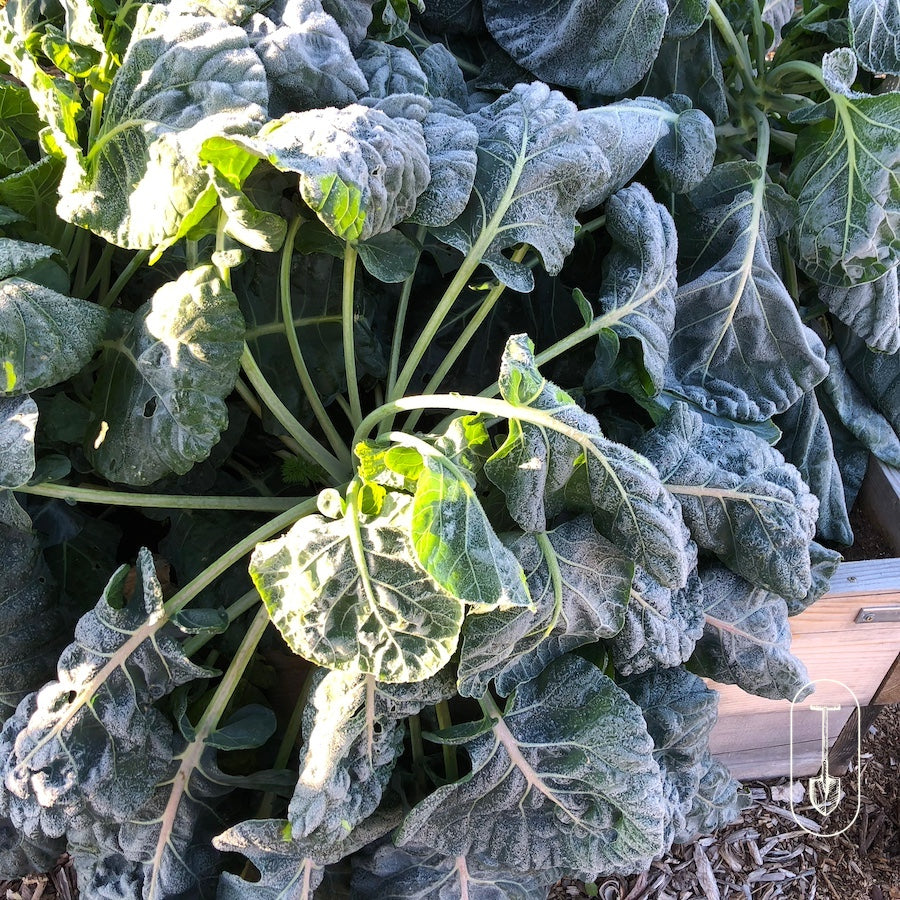
In much of Zones 3–4, the frost-free window is fewer than 110 days. Late spring frosts can extend into May or even June. Early fall frosts can arrive on Labor Day. The days between those two events are all you have.
Every crop you choose is a bet placed against that window. A variety that needs 90 frost-free days sounds comfortable, until a late frost pushes your planting date a week deeper into June, or an early September frost closes the season before the fruit has ripened.
Frost-free days are not just a number on a chart. They are a planning tool. They tell you which crops fit your season, when to start them, and how much risk you’re carrying with each variety you plant.
Northern Gardeners who know their frost-free window, and respect it, waste less. They harvest more. And they stop blaming themselves when a warm-season crop doesn’t finish. It was never going to. The math didn’t work.
T — Twilight Hours
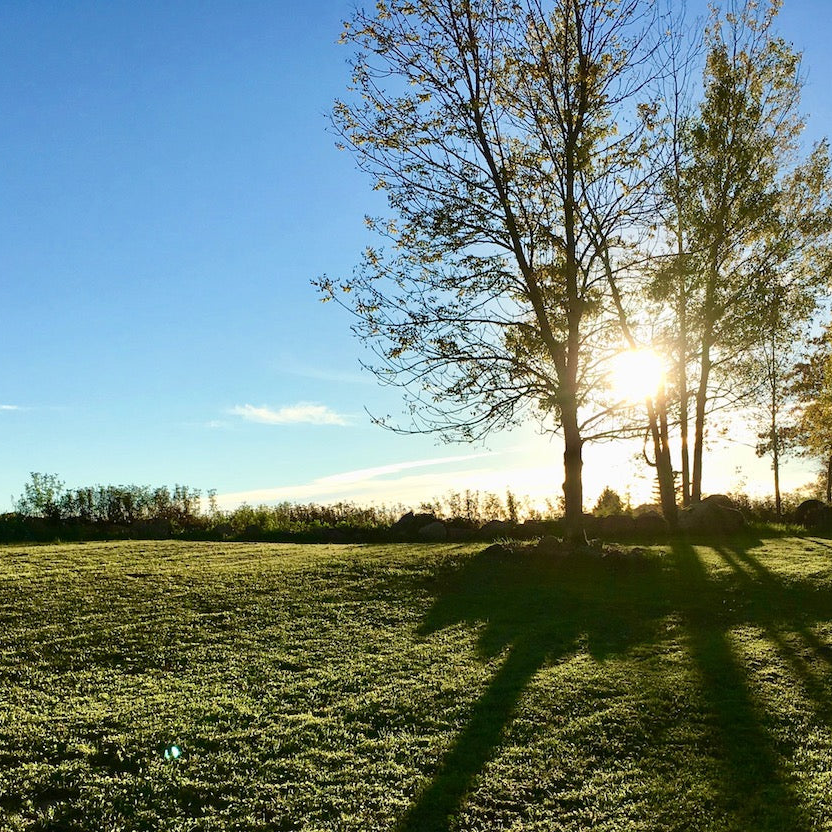
In The North, summer light is long. Sixteen hours or more of daylight during the peak of the season. That is an advantage, and a force to understand.
Long days accelerate vegetative growth. Plants photosynthesize for more hours, and some crops thrive in this. Others respond to day-length as a signal and a cue to flower, to fruit, to prepare for what’s next. A variety not adapted to high-latitude light may bolt early or flower at the wrong time, wasting weeks of the short season.
Day length also shifts fast in The North. The difference between June’s longest day and September’s shortening evenings is dramatic. Plants feel this change. Perennials prepare for dormancy. Annuals that haven’t finished their cycle run out of light before they run out of time.
Choosing varieties adapted to high-latitude photoperiods is one of the quieter advantages a Northern Gardener can give themselves. It is not the first thing most people think about. But it is one of the forces shaping every season, and learning to work with it, rather than against it, opens up possibilities that shorter-day varieties simply can’t offer here.
The Seed Packet Truth
A seed packet will tell you “days to maturity: 75 days.” It assumes those 75 days will be warm enough. It assumes your soil was ready when you planted. It assumes frost won’t end the conversation early.
In Zones 3–4, those assumptions fail. Routinely.
This isn’t a failure of the gardener. It is a gap in how growing information reaches Northern Gardeners. Seeds and advice are overwhelmingly written for Zones 5 through 7: longer seasons, warmer soil, more accumulated heat. When those same seeds arrive in The North, the math doesn’t change. The season does.
And when the harvest doesn’t come, the gardener blames themselves. Not the mismatch.
That’s the gap Taiga exists to close.
Hardiness Zones Don’t Tell the Whole Story
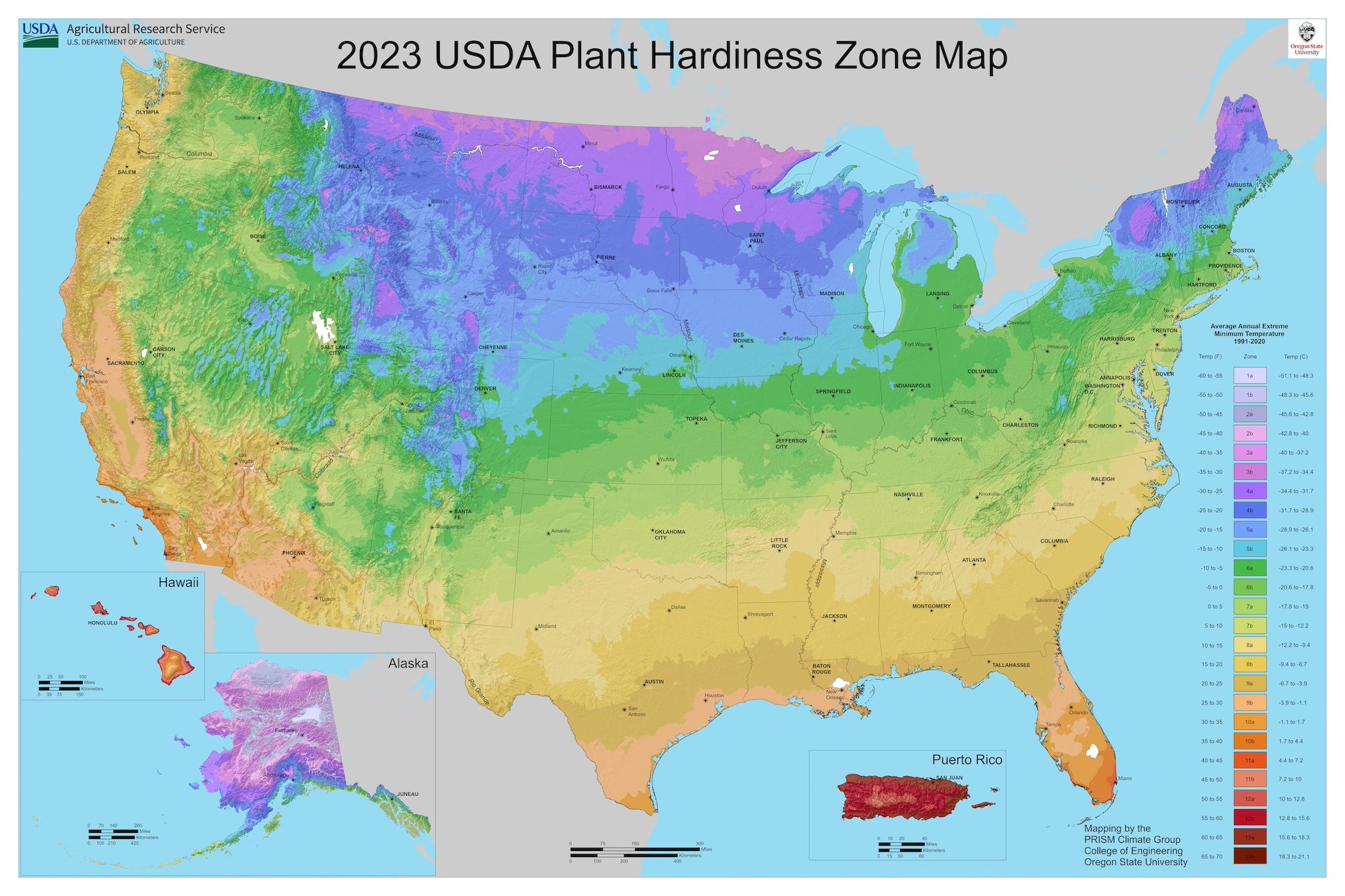
USDA Plant Hardiness Zones measure one thing: the average annual extreme minimum winter temperature.
That number tells you whether a perennial can survive the winter. It tells you nothing about whether an annual crop will reach your table before frost.
It does not measure how much heat your season accumulates.
When your soil is warm enough to plant.
How many frost-free days you actually have.
Or how long summer light shapes what a plant does.
These are the forces that determine every harvest in The North. And most seed packets never mention them.
What Changes When You Navigate by The HEAT Compass™
When you understand these four forces, the experience of Northern growing shifts.
Crop selection sharpens immediately. You stop choosing varieties by the picture on the packet and start choosing them by the data that actually matters ~ GDD requirements, frost tolerance, daylength response, soil temperature thresholds.
Planting timing becomes strategy, not guesswork. You’re reading your soil, watching your frost dates, and making decisions based on what’s actually happening in your garden, not what a calendar says should be happening.
Failure becomes legible. When a crop doesn’t finish, you can look at The HEAT Compass and often see why. It wasn’t your fault. The variety needed more heat than your season provided. Or you planted into soil that wasn’t ready. Or the frost-free window was too narrow. That clarity, knowing why, is the beginning of confidence.
And confidence changes what’s possible. A confident Northern Gardener doesn’t stop reaching for warm-season crops; they learn which ones actually work here. They stop investing in seed that was never going to produce in their zone. They make peace with the season instead of fighting it.
And they start to see what’s extraordinary about growing food in The North, rather than what’s limiting.
This Is Where Taiga Grows
Everything Taiga offers — every seed collection, every workshop, every resource — is shaped by the HEAT Compass.
Our varieties are selected within the real limits of Zones 3–4.
Not borrowed from longer seasons.
Not built on optimism.
Trialed here. In this soil. Against these frosts.
The knowledge behind the HEAT Compass didn’t come from a textbook. It came from growing food in The North, season after season, and paying attention to what the land was teaching.
We share it because Northern Gardeners deserve better than advice written for somewhere else.
We don’t fight the climate.
We grow with it.
Want to learn more... Join our newsletter, where worthwhile learning drops in your in-box
The HEAT Compass™ and the H-E-A-T framework are proprietary trademarks of Taiga Farm & Seed. We love seeing this system help Northern Gardeners! If you would like to reference the HEAT Compass™ in your blog, website, or publication, please provide clear attribution to Taiga Farm & Seed with a functional link to taigafarmandseed.com/pages/the-heat-compass. For commercial use or republishing, please contact us for written permission.