
Hardiness Zones Don’t Tell the Whole Story
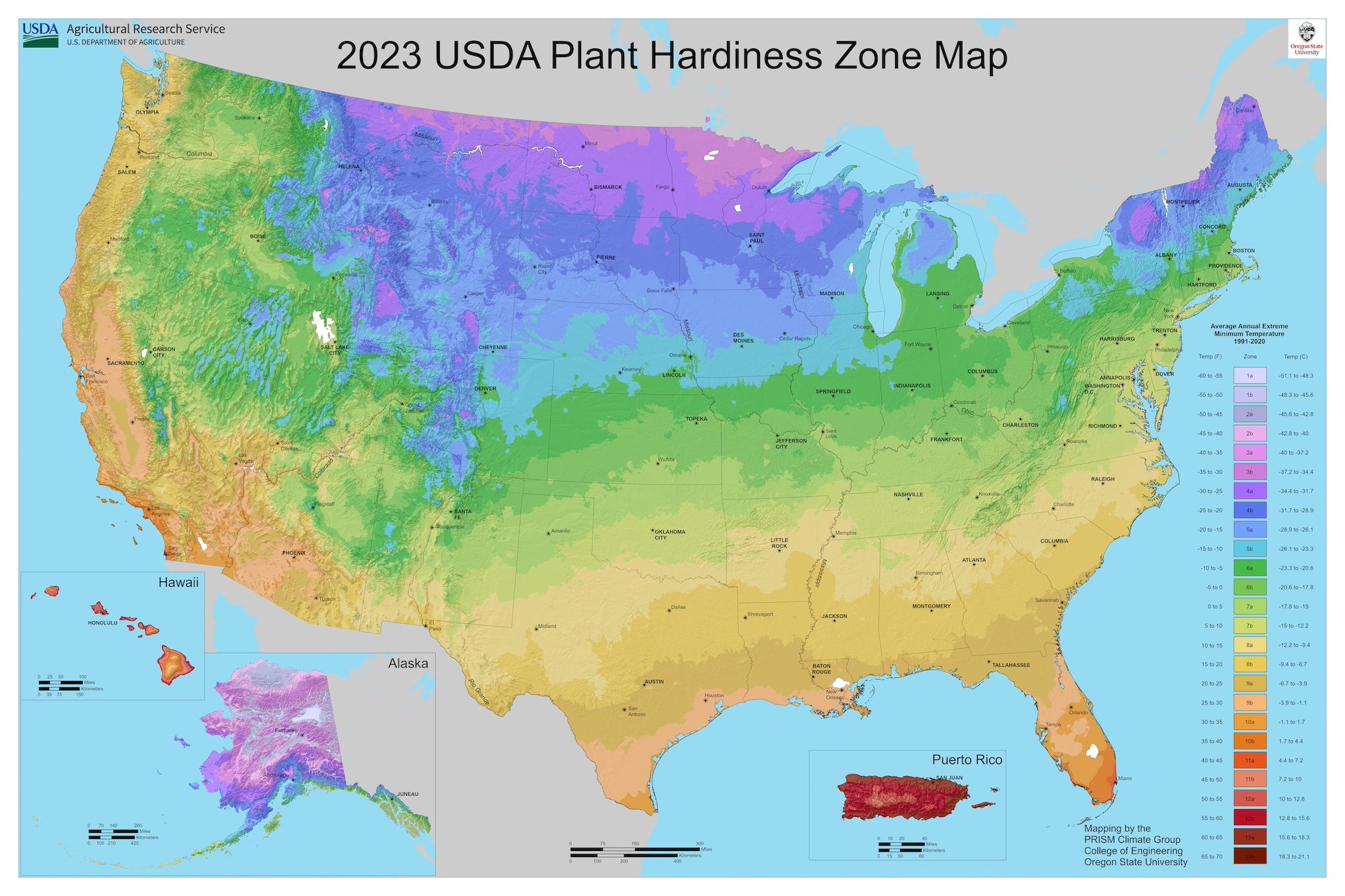
USDA hardiness zones measure winter minimum temperatures.
They do not measure how much heat your season accumulates, when frost returns, how cold your soil stays in spring, or how long summer daylight stretches.
In the North, those factors determine every harvest.
The Four Northern Growing Hurdles™
Growing in Zones 3–4 is defined by four measurable constraints. Understanding them changes how you plan, plant, and harvest.
1. Growing Degree Days (GDD)
Total accumulated heat determines whether crops mature before frost. In short seasons, heat matters more than optimism.
2. Frost-Free Days (FFD)
Late spring frost and early fall frost compress the production window. Timing is strategy.
3. Soil Temperature
Seeds respond to soil, not air. Cold soil delays germination and root development, even on warm days.
4. Latitude & Day Length
Long summer daylight accelerates growth, but plants must be adapted to use it. Light shapes behavior.

What This Means for Northern Gardeners
When you work within these four hurdles:
• Crop selection improves
• Planting timing sharpens
• Soil performs more consistently
• Failure decreases
• Confidence grows
Understanding constraints builds freedom.
How Taiga Is Built for the North
Taiga Farm & Seed is designed around the Four Northern Growing Hurdles™.
Our seed collections, workshops, and resources are built within the real limits of Zones 3–4, not borrowed from longer seasons.
We don’t fight the climate.
We grow with it.
Our seed collections are curated specifically for the measurable limits of Zones 3–4, so you can plan with clarity and harvest with confidence.